
The Fabric of our Society
The Fabric of Our Society column invites industry leaders to provide experience-based opinions and discussions on various topics. Diverse perspectives are respected and most welcome, but do not necessarily reflect the opinions of IESNYC or the Board of Managers. Want to contribute? Email [email protected]
July 2025
Redesigning the Ladder: Let’s Bring More Women into Manufacturer Leadership

Elaine Cook
Director of Business Development, Barbican
President & Co-Founder, Equity in Lighting
My first memory of manufacturing was when I was around 4 or 5. I was sitting in the boardroom of Barbican’s first factory, watching Barney and assembling mounting hardware kits. As a kid with a little OCD, this was heaven – and it financed my sour candy habit. Over the years, as Barbican moved into its fourth facility, those factories became a second home.
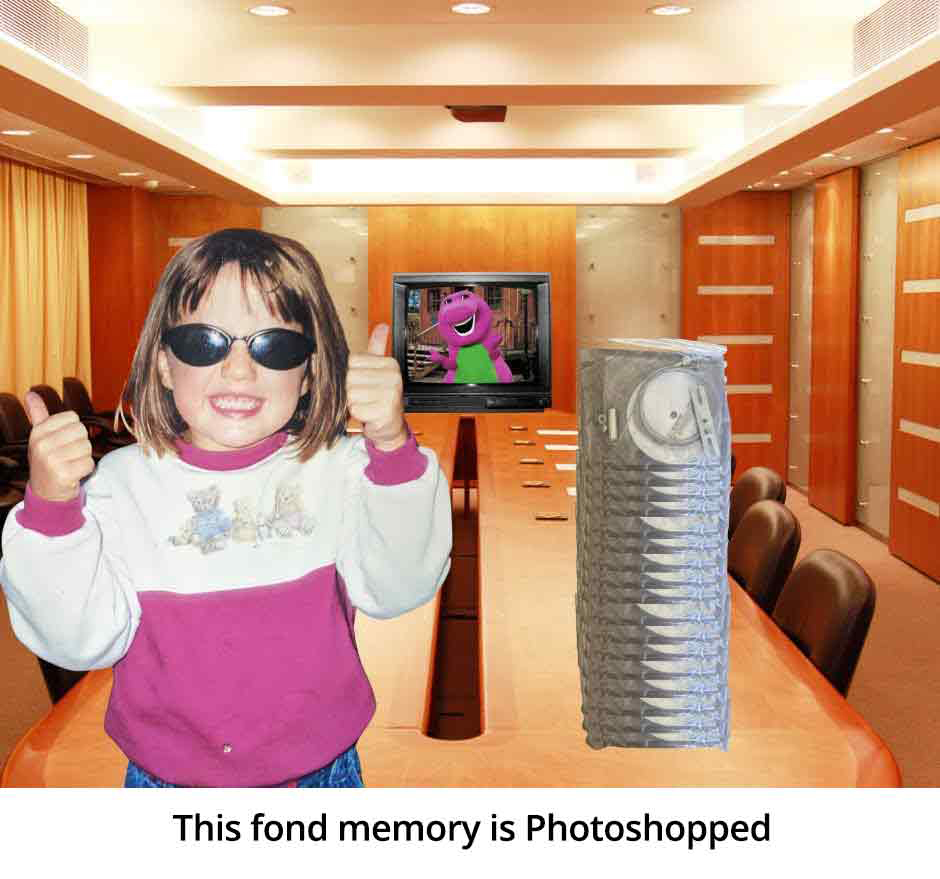
Looking back, my role models were unusual, especially for the time. The factory floor manager was a total powerhouse: she tolerated zero BS. My dad taught me to use every tool in the factory, and I was given the freedom to create whatever I dreamed up. That foundation shaped how I see the world. It’s also why I love manufacturing.
There's beauty in shaping raw materials into something original. And it breaks my heart when I hear how often women are shouldered out, or shut out, of this discipline.
Last year, I nearly walked away from the lighting industry. Then, out of nowhere, a TikTok of Barney sparked that memory – the pure joy I felt building hardware kits as a kid. It reminded me why I love what I do. Now, my hope is to share that joy with more girls and women, so they will see a place for themselves in manufacturing, too.
Yes, the lighting industry has made phenomenal progress in increasing the representation of women in lighting design. And that has spread to women entering specification sales. But leadership in manufacturing is a different story. Women hold just one in four leadership roles in US manufacturing.
Why does representation matter?
When your product is designed, manufactured, and marketed in the echo chamber of a single subset of the population, it will most likely reflect the needs and ambitions of that subset. For innovative products that stand out, sell more, and spark conversations, you need people who think differently – who have experienced the world differently. Studies consistently show that teams with diverse backgrounds and perspectives produce more original work and drive significantly more revenue from innovation. For a nimble company culture where ideas flourish, team members feel safe to contribute, and people want to stay – retaining employees in the company and in the industry.
However, the manufacturing world isn't always as welcoming as what I experienced. It’s historically male-dominated. Companies are sometimes passed down through fathers and sons, or built by men with other men. Until 1988, women couldn’t even get a business loan in the US without a male co-signer. That’s not ancient history… It’s a bit more than a single generation.
Without women represented in leadership, ownership, or technical roles, it’s easy to understand why so many women – even if they’re passionate about lighting – don’t envision their own future in our industry. And those who do are typically alone, blindfolded, climbing a ladder that wasn’t built for them.
Micro to macro
Then there are the microaggressions, stereotypes, and biases. For women on the receiving end, it’s death by a thousand cuts. Not just the generic “You’re too pretty to be working in a factory,” or “That’s cool – who helped you build it?” It’s “Are you sure you need a 2700K option here? Did you know that’s a really warm color temperature?” and “I am scared of her. She is so bossy.” The repetition of these comments accumulates, and they wear you down.
When a woman calls someone out, we’re “too sensitive” or “hard to work with.” So we start shrinking, or isolating. I hear this all the time from women in manufacturing: until they find other women around them, they often feel their light is slowly being drained.
And finally, there’s inflexibility. Especially pre-COVID, manufacturing left little room for caregiving responsibilities; in the US, these are still duties disproportionately held by women. Many factories require in-person presence 5 days a week. But that model doesn’t leave space for work–family life balance, let alone career progression.
Let’s be absolutely clear. This is not about women being unable to lead in manufacturing. It’s about systems that were constructed without women in mind. Resulting in women choosing to leave it for other careers in other industries that have evolved to include and embrace them.
Proactive solutions
Now, this isn’t the part where I say we need to burn down the patriarchy. This is where I talk about what recruits more female talent into manufacturing and encourages their career progress and retention. Sometimes these measures require hard-won lawsuits, protests, and boycotts. But more often than not, they just need strong male allies standing beside women, not in front of them.
These measures work and provide return on investment. They enhance innovation and profitability in the Industry 4.0 and 5.0 era.
1. Education: Make manufacturing tangible
It starts with a cord, a plug, a driver, and some LED tape. At Equity in Lighting, we’ve run a Wiring 101 class in NYC for over 2 years now, teaching students and lighting designers how to wire a downlight, or tape and channel, to a 0–10V driver, dimmer, and cord. They troubleshoot, learn how fixtures are designed to avoid them, and realize that wiring isn’t scary at all. It’s actually fun! We need more of these kinds of classes that demystify manufacturing and give people a hands-on, empowering experience.
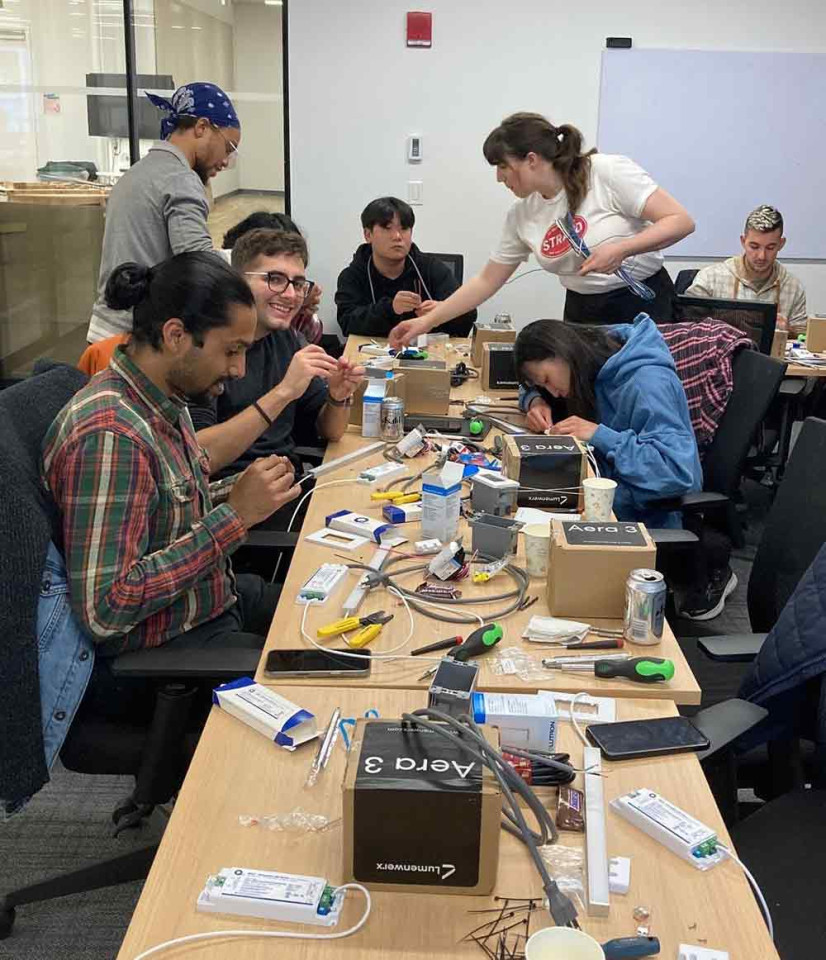
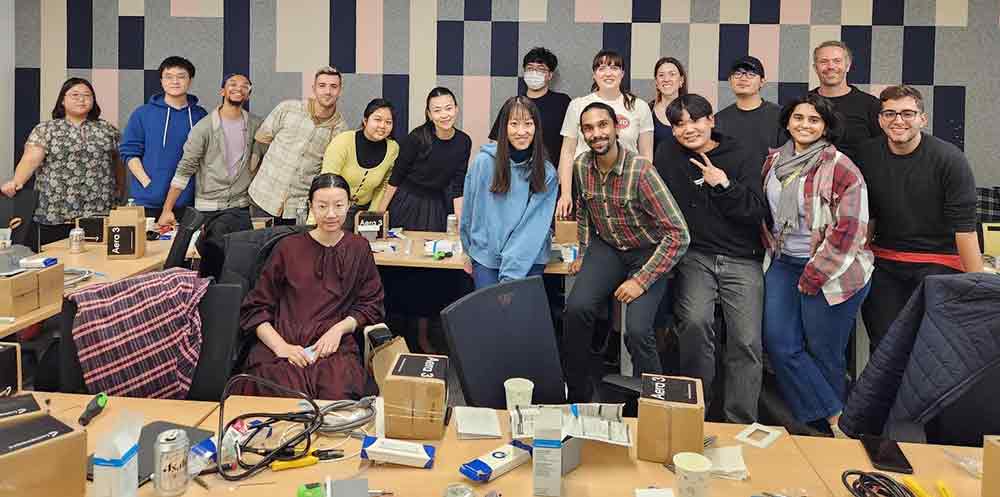
This hands-on approach should extend beyond the classroom. Factory visits and product demos shouldn’t just be PowerPoints and plant tours. How do we make these experiences immersive and memorable? By educating professionals not just about the product, but the process.
2. Communication and cultural shifts
We also need to remember that, on average, men and women have been raised to communicate differently; and therefore, they sometimes lead differently. Masculine: direct, assertive, competitive, low-context, and Feminine: cooperative, relational, inclusive, high-context. But any individual leader may lean one direction or the other.
Manufacturing facilities often operate within a siloed hierarchical leadership structure, which can foster a culture of self-promotion, interruption, and overtalk as individuals compete for recognition and advancement. These environments tend to value traditionally masculine communication styles, but when women adopt these styles, they are often met with criticism or backlash. (I recommend exploring the work of Joanna Wolfe on this topic.)
Yet, research shows that leaders who exhibit more “feminine” communication traits – such as empathy, active listening, and inclusion – often perform better in management roles, especially when it comes to team cohesion, conflict resolution, and employee retention. A big first step is recognizing that difference exists – and the female style is always better (just kidding – making sure you’re still with me).
I contend that the lighting industry can benefit from leadership development programs that include training on these “feminine” communication competencies: empathy and emotional intelligence, active listening and feedback training, and inclusive leadership and bias awareness.
The truth is, we need both collaborative and assertive leadership. The real power comes from knowing when to use each – and making space for both.
3. Mentorship and sponsorship
Once women build confidence and find their own voices in these spaces, they still need supporters and advocates to help them climb the ladder. Male and female mentors and sponsors help initiates navigate and overcome roadblocks.
Mentorship is about guidance. Sponsorship is about access.
Mentorship circles should be broad and generous, encompassing different disciplines, industries, and lived experiences. They offer honest advice and perspective, even if it's not always what you want to hear. WILD’s Mentorship Program fits this description to a tee. You are virtually connected with a small group of lighting professionals (mostly women) from all stages in their career around North America, to learn from each other and share resources. I have also found my mentors at alumni events, the dog park, and just cold-emailing people from articles I read.
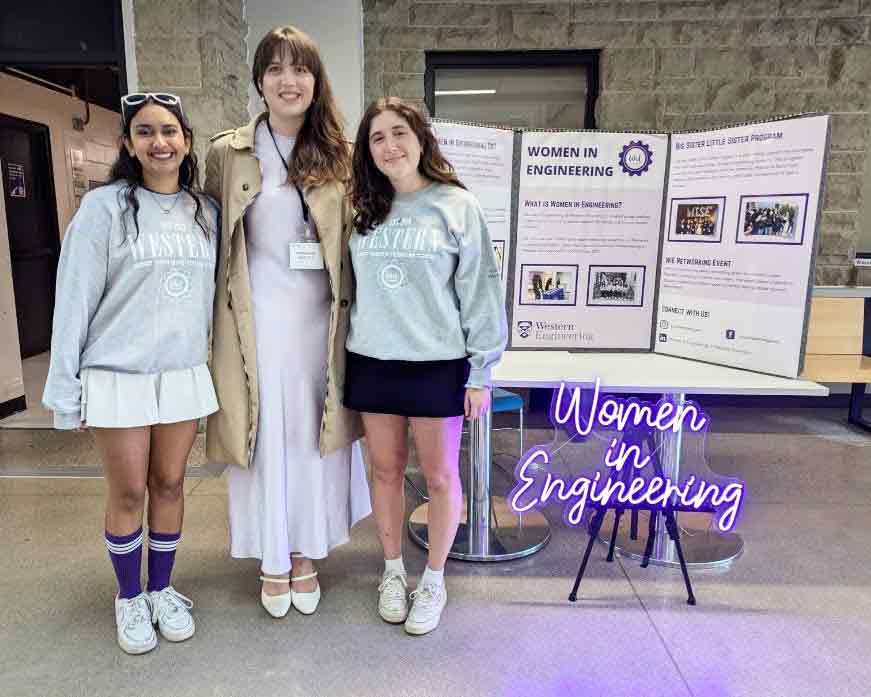
Your sponsor circle, though, is different. Some of the most effective sponsors are male leaders who recognize their privilege and actively use it to help lift others up the ladder. They say your name in a room full of decision-makers. They put you up for a unique project or new role. They keep their eye out for your next opportunity, the next big move into a new discipline. But there's an agreement: when you get those opportunities, you have to show up, nail the small tasks, and learn from every mistake. Our industry is ripe with these sponsor circles. This past year, the IESNYC launched IESNYC Guiding Lights Circle, which provides structured one-on-one mentorship for 6 months with an established lighting professional from NYC.
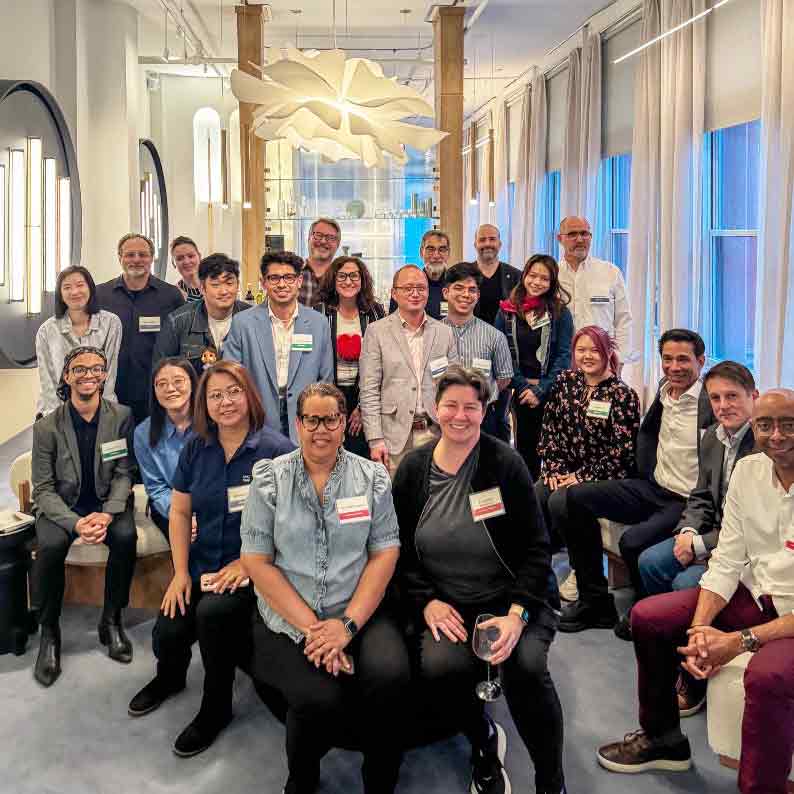
And when you reach new heights, don’t pull up the ladder behind you. We’ve all seen women do this – intentionally or not – making it even harder for others to thrive in spaces that weren’t built for them to begin with. The game is won together. We rise together – not alone.
4. Policy and leadership commitment
Company and industry cultures start at the top. If leadership isn’t committed to investing in women, it won’t stick.
Companies must back up DEI goals with real investments in recruitment and hiring, skills building, and retaining women at all levels. We need allies not just to support from the sidelines, but to show up, speak up, and back up their values with action. That requires an investment of time from the C-suite, public accountability, and continuing shifts in policies and behaviors, not just good intentions.
5. Elbows Up
I saved the best for last: what we in Canada call “Elbows Up.”
There will be days when condescension, gatekeeping, sabotage, and/or isolation show up. On those days, Nolite te bastardes carborundorum! You’ll need that spark of rebellious resilience. The one that says, I’m not going anywhere!
Reframe “bossy” as bold. Reframe “aggressive” as assertive. There will always be people who don’t want you to succeed. That’s their issue. Your job is to keep showing up with strength, humor, and zero apologies for who you are as a person. Actually, there’s huge freedom that comes with this attitude.
Together
When I think back to those childhood years in the factory, building mounting kits and learning the drill press, I realize how rare that experience was. From the beginning, I knew I belonged. Most women don’t get welcomed into the shop. They work hard every day, and sometimes fight, just to keep the step they’ve earned.
I’m not asking for handouts or special treatment for women – it’s about recognizing our contributions, understanding our experiences, and moving forward together, side by side. I want to make our entire industry stronger, more innovative, more resilient, and more human. I want to create a pleasant and healthy built environment for all. When leadership includes a range of voices, experiences, and perspectives, everything improves: the work, the teams, the business.
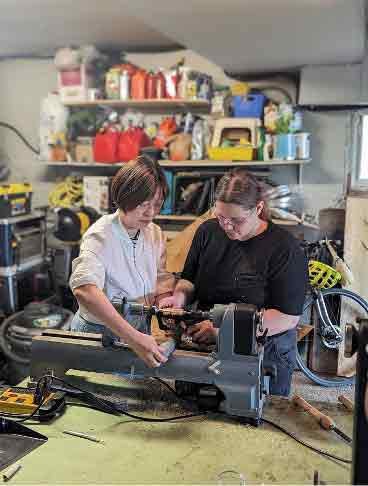
We’re at a turning point in lighting manufacturing. A generation is retiring, and the marketplace is speeding ahead. The generations after us are watching closely. Tomorrow’s lighting professionals want to see that we’re building something meaningful and lasting, with a community that supports and grows with them.
I, for one, am committed to building a ladder that everyone can climb – because as a woman in manufacturing, I know how to craft it to support generations to come.
2026 IESNYC Event and Educational Sponsors
Brilliant Sponsor

Radiant Sponsors


Glow Sponsors
Sparkle Sponsors
Lutron Electronics | Light Abilities
Twinkle Sponsors
Available Light | Hartranft Lighting Design | HLB Lighting Design
KGM Architectural Lighting | MGE Lighting Design Collaborative | Pierce Lighting Studio
